
For a patient living in Washington and suffering from any form of chronic illness, obtaining a medical cannabis card could be the best thing to do for oneself. With the introduction of the medical cannabis program in Washington, you will have access to the plant legally in several instances, apart from other perks that are reserved exclusively for medical patients. If you want to learn more about acquiring a medical card, then continue reading.
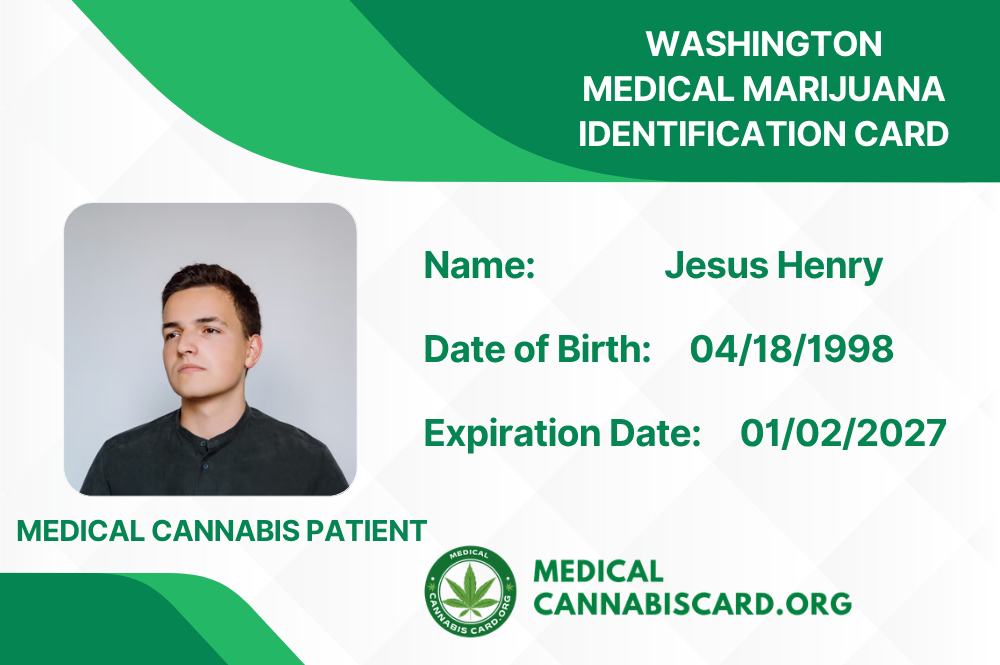
If you are standing on the deck of a ferry crossing the Puget Sound or relaxing in a mid-century modern home in the hills of Bellevue, you might be asking a simple question. Is marijuana legal in Washington 2026? The answer is a resounding yes, but the rules are more detailed than you might think. Washington was one of the first states to embrace cannabis, and as we move through 2026, the laws continue to evolve to protect both consumers and patients.
While anyone over 21 can visit a retail shop near the Space Needle or in the heart of Spokane, there is a big difference between recreational use and medical necessity.
In 2026, Washington remains a leader in the cannabis industry. The state has refined its system to ensure that products are safe, tested, and accessible. However, legality does not mean “anything goes.” There are strict boundaries designed to keep the public safe, especially when it comes to where you can consume and how much you can carry.
Whether you are navigating the rainy streets of Olympia or enjoying the dry, sunny climate of the Yakima Valley, the law applies to everyone equally. If you are wondering, “is marijuana legal in Washington 2026?” for recreational purposes, you must be 21 years of age with a valid ID. For those under 21 with specific health needs, the medical program provides a legal pathway to relief.
Many people assume that because recreational use is legal, they don’t need a medical card. However, the two systems serve very different purposes.
Recreational cannabis is for adults who want to use the plant for leisure. You can walk into any licensed retail store in cities like Vancouver or Everett and buy various products. However, you will pay a high excise tax, and your possession limits are lower.
The medical program is for patients with specific health issues. If you have already looked into the qualifying conditions for the Medical Card in Washington 2026, you know that patients get special perks. These include tax exemptions and the ability to grow plants at home a huge advantage for those living in rural areas like the Palouse or the North Cascades.
The state is very specific about how much cannabis you can have on your person. If you are caught with more than the legal limit, you could face heavy fines or legal trouble.
For a patient living in a quiet suburban home in Federal Way, having three times the amount of flower is a major benefit. It means fewer trips to the store during those icy winter months when driving conditions are poor.
This is a point of confusion for many. Even though the answer to “is marijuana legal in Washington 2026?” is yes, you cannot use it everywhere.
You cannot smoke or consume cannabis in view of the public. This includes:
If you are caught consuming in public near a landmark like Pike Place Market, you could receive a civil infraction. The best place to consume is in the privacy of your own home. If you live in an apartment or a rented condo in Tacoma, be sure to check your lease agreement, as landlords can still ban smoking on their property.
Washington takes “Green DUIs” very seriously. It is illegal to drive if you are under the influence of THC. The state uses a blood test to measure THC levels. If you have 5 nanograms or more of active THC in your blood, you can be charged with a DUI.
This applies even if you are a medical patient. Just as you shouldn’t drive after drinking coffee at a local roastery or a beer at a Ballard brewery, you must wait until you are sober to get behind the wheel. The winding roads of Highway 101 and the busy lanes of I-5 require your full attention.
One of the most frequent questions we hear is, “Can I grow my own?” In Washington, recreational home-growing is generally not allowed. However, if you have a medical authorization, you have the right to grow your own medicine.
This is a game-changer for people living on acreage in Snohomish County or even those with a small dedicated space in a Seattle townhouse. It allows you to control the quality and strain of the medicine you use.
Consider the story of James, a retired farmer in Walla Walla. James suffered from chronic pain due to years of physical labor. When people asked him, “is marijuana legal in Washington 2026?” he used to say it didn’t matter because he didn’t want to go to a “pot shop.”
However, after learning about the medical program, James realized he could get a doctor’s authorization. He received his card and started using topicals and tinctures. Because he is a registered patient, he doesn’t pay the high retail taxes.
He even grew four plants in his greenhouse last summer. For James, the law provided a safe, affordable way to manage his pain without the stigma he once feared.
Even though cannabis is legal for everyone 21+, the medical card remains the “gold standard” for residents.
So, is marijuana legal in Washington 2026? Yes, it is a well-regulated and essential part of the state’s landscape. From the tech campuses of Redmond to the apple orchards of Wenatchee, residents have the right to use cannabis responsibly. However, the distinction between “recreational” and “medical” is more important than ever.
By obtaining a medical card, you unlock the full benefits of the law, including lower prices and higher limits. If you are using cannabis to treat a health condition, don’t settle for the recreational standard. Take the time to get authorized and enjoy the protections you deserve in the beautiful Evergreen State.
Yes, as long as you are 21 or older and have a valid government-issued ID (like a driver’s license or passport).
No. Because the airspace and airports are under federal jurisdiction, you cannot take cannabis on a plane, even if you are flying from Seattle to Spokane.
Washington law has some protections, but many employers—especially those with federal contracts or safety-sensitive positions—can still maintain drug-free workplace policies. Always check your employee handbook.